Smart Home Integration with Security Cameras
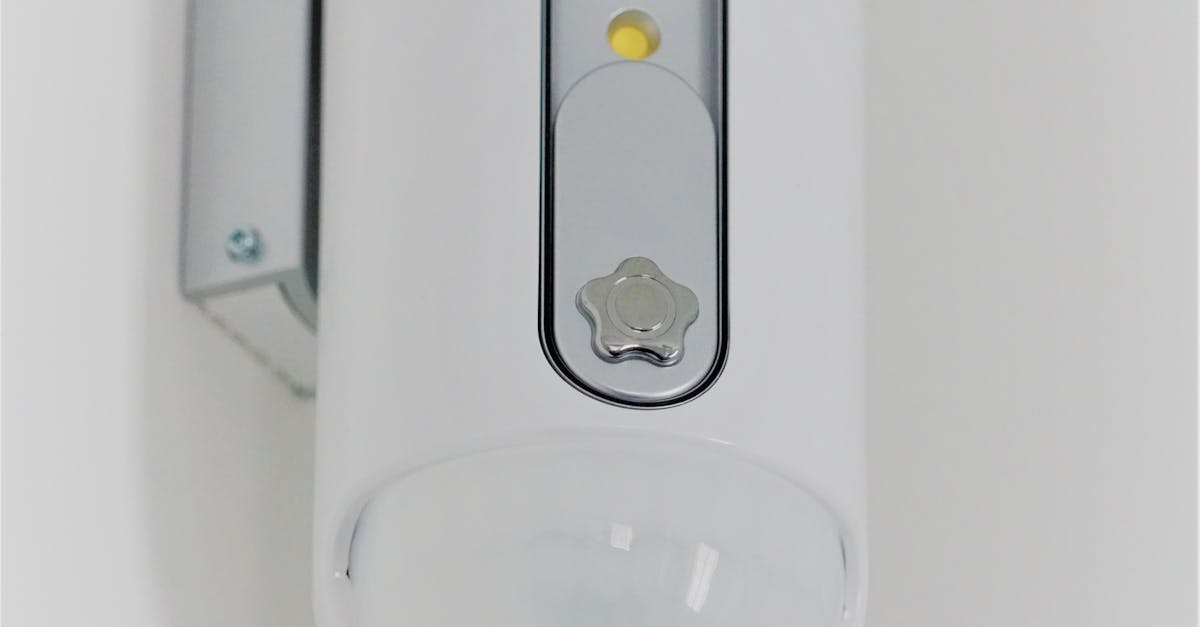
Table Of Contents
Enhancing Security with Smart Sensors
Smart sensors significantly elevate the level of security in modern homes. They are designed to detect unusual activity and potential breaches, providing alerts in real-time. Equipment like motion sensors and door/window sensors can be strategically placed around the property, allowing for comprehensive monitoring of entry points. Many smart sensors also integrate with surveillance systems, enabling automated responses when triggered.
The adoption of smart sensors extends beyond basic intrusion detection. Environmental sensors can monitor for issues like smoke, carbon monoxide, and flooding, enhancing overall safety. As part of a cohesive smart home system, these sensors work together to create a comprehensive protective barrier. Users gain peace of mind knowing their home is monitored continuously, even when they are away.
Types of Sensors for Comprehensive Protection
In modern security systems, various sensors contribute significantly to a home's safety. Motion sensors detect movement in designated areas, helping to monitor unusual activity. Door and window sensors can alert homeowners when openings occur, providing an immediate response to potential breaches. These devices can activate alarms or send notifications to mobile devices, ensuring users remain informed at all times.
Environmental sensors play a crucial role in safeguarding against natural threats. Smoke detectors detect fire hazards early, while carbon monoxide sensors alert inhabitants of toxic gas accumulation. Flood sensors can help prevent water damage by indicating leaks in real time. Combining these various sensors creates a robust network that offers a higher level of protection, significantly enhancing overall security effectiveness.
Remote Monitoring Capabilities
The ability to monitor security cameras remotely has transformed how homeowners protect their properties. With advancements in technology, many systems now offer live streaming capabilities directly to smartphones or tablets. This accessibility allows users to keep an eye on their homes from virtually anywhere, providing peace of mind, especially when they are away for extended periods. Notifications and alerts can be set to inform homeowners of unusual activity, ensuring that they are always in the loop regarding their security status.
Remote monitoring features often extend beyond just live feeds. Some smart cameras come equipped with cloud storage options, allowing users to review recorded footage at their convenience. This is particularly useful for reviewing events that may have triggered an alert, granting homeowners the ability to respond quickly if necessary. Additionally, intuitive mobile applications enable users to interact with their cameras, offering options to pan, tilt, or zoom in on specific areas for a comprehensive view of the property.
Accessing Live Feeds from Anywhere
The advancement of technology has made it easier than ever to keep an eye on your home from virtually anywhere. Many security camera systems now offer apps that connect seamlessly to smartphones and tablets. Owners can receive real-time notifications of any unusual activity. This level of access provides peace of mind, especially while travelling or during long days at work.
Being able to watch live feeds also enables users to engage with loved ones or pets who may be at home alone. Some systems even allow for two-way audio, facilitating communication directly through the camera. This feature enhances the monitoring experience, making it not just about surveillance but fostering a sense of connectedness, regardless of geographical barriers. The versatility of remote access ensures that homeowners remain in control, reinforcing the sense of security that smart technology provides.
Integrating with Voice Assistants
Integrating security cameras with voice assistants provides a seamless and efficient way to manage home security. Users can easily access camera feeds and control devices through simple voice commands. This hands-free approach not only enhances convenience but also promotes a more natural interaction within the home environment. Smart home ecosystems, such as those powered by Google Assistant and Amazon Alexa, allow for custom routines that can include activating cameras, checking footage, or even adjusting settings without the need to navigate through apps manually.
The compatibility of many security cameras with popular voice assistant platforms broadens their usability. For instance, users can ask their voice assistant questions about security status or receive alerts for unusual activity. This integration helps maintain a sense of control and reassurance, especially when away from home. Additionally, many systems support two-way audio, enabling users to communicate directly through the cameras, further enhancing the sense of presence and immediacy in security management.
Using Alexa or Google Assistant for Camera Control
Smart home devices have evolved significantly, allowing users to control security cameras effortlessly through voice commands. By integrating these cameras with popular voice assistants like Alexa and Google Assistant, homeowners gain the ability to manage surveillance systems without needing to navigate through apps or physical controls. This hands-free convenience is particularly beneficial when multitasking or when quick access to the camera feed is necessary.
Using simple commands, users can ask their voice assistant to display live feeds on compatible smart displays or enable specific camera functions. For example, saying “show me the front porch camera” can instantly pull up the relevant footage, enhancing the user experience. Furthermore, voice control can facilitate actions such as turning cameras on or off, adjusting settings, or even capturing images, seamlessly blending security with everyday life.
FAQS
What are smart home security cameras?
Smart home security cameras are devices that connect to your home network, allowing you to monitor your property remotely through a smartphone app or web interface. They often include features like motion detection, night vision, and two-way audio.
How do smart sensors enhance home security?
Smart sensors enhance home security by detecting unusual activities, such as movement or breaking glass, and sending alerts to your smartphone. They can also work in conjunction with security cameras to provide a comprehensive view of your property.
Can I monitor my security cameras when I'm not at home?
Yes, most smart home security cameras offer remote monitoring capabilities, allowing you to access live feeds and recorded footage from anywhere via a mobile app or web portal, ensuring peace of mind even when you’re away.
How do I integrate my security cameras with voice assistants?
To integrate your security cameras with voice assistants like Alexa or Google Assistant, you'll typically need to enable the camera's skill or action in the respective app and link your accounts. Once set up, you can use voice commands to view camera feeds or control camera settings.
Are smart home security cameras easy to install?
Most smart home security cameras are designed for easy installation and can be set up without professional help. They usually come with comprehensive instructions and can be mounted on walls or placed on shelves.
Related Links
Evaluating Indoor vs Outdoor Security Cameras for Your HomeThe Role of Night Vision in Home Security Cameras
Understanding Camera Resolution: What You Need to Know
Comparing the Effectiveness of Different Lens Types in Security Cameras
Essential Accessories for Home Security Camera Systems
Wired vs Wireless Security Cameras: Which is Better for Your Home?