Improving Home Insurance Discounts with Security Systems
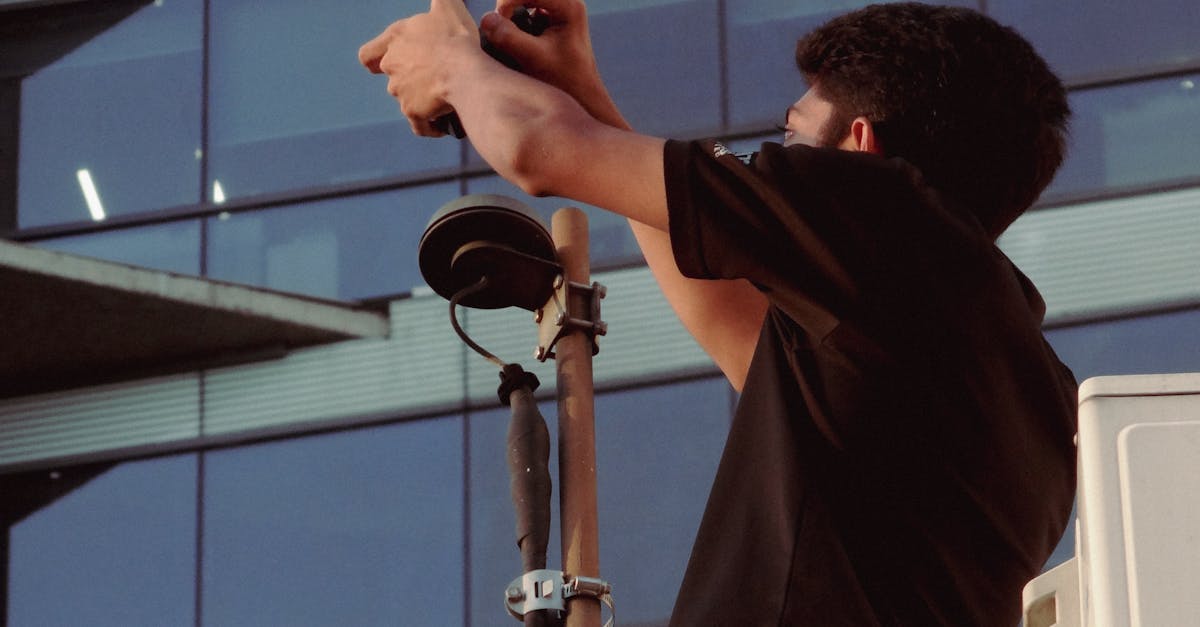
Table Of Contents
Choosing the Right Security System for Your Home
Selecting an appropriate security system involves assessing the specific needs of your household. Consider factors such as the size of your home, the number of entry points and any particular security concerns unique to your area. It can also be beneficial to explore systems that include features like surveillance cameras, motion detectors, and smart home integration. Researching various options will help in identifying which features are essential for your peace of mind.
Budget plays a crucial role in the decision-making process. While it may be tempting to choose the most advanced system available, it is wise to evaluate what you can realistically afford. Some systems offer monthly subscriptions for monitoring services, while others are DIY and require a one-time purchase. Weighing long-term costs against the potential savings on home insurance premiums can provide a clearer picture of your investment's overall value.
Assessing Your Needs and Budget
Understanding your specific security needs is essential before investing in a security system. Consider the size of your home and the unique vulnerabilities it may have, such as isolated entrances or large windows. Prioritise features that align with your lifestyle. If you frequently travel, a system with remote monitoring capabilities could be beneficial. Assessing the level of security required also includes evaluating your neighbourhood's crime rate and previous incidents in the area. This information can guide you in making informed decisions about the type of security measures to implement.
Establishing a budget is equally important when selecting a security system. Prices can vary significantly depending on the sophistication and capabilities of the system. Conduct research on various providers to determine which options fit within your financial constraints while still meeting your needs. Many companies offer tiered pricing based on features, monitoring services, and equipment quality. Factor in potential installation costs and ongoing monthly fees. Taking a comprehensive look at your finances will help ensure you choose a system that not only offers protection but is also a sound investment for your home.
Potential Savings on Home Insurance Premiums
Many homeowners are eager to discover how investing in a security system can lead to significant savings on their home insurance premiums. Insurers often recognise that a well-installed security system reduces the likelihood of theft and damage. As a result, policyholders may receive discounts ranging from 5% to 20%, depending on the type of system installed and the insurer's specific guidelines.
Furthermore, the extent of potential savings may vary based on individual circumstances, including the location of the property and the crime rates in the area. Homeowners should consult their insurance provider to fully understand the available discounts. Some insurers may even offer increased savings for systems that include features like 24/7 monitoring or smart home integration.
Typical Discounts Offered by Insurers
Insurers typically offer a range of discounts for homeowners who install security systems. These reductions can vary significantly depending on the level of security implemented. Generally, the integration of monitored alarm systems, CCTV cameras and smart home technology may yield higher discounts. Discounts can range from 5% to 20% off annual premiums, reflecting the reduced risk posed by intruders and vandalism.
Additionally, some insurance providers may extend discounts for particular security features such as deadbolt locks, motion detectors, and fire alarms. Policies often encourage comprehensive security measures, recognising that homes with multiple layers of protection tend to experience fewer claims. It is advisable for homeowners to consult with their insurers to explore specific offerings and to ensure they receive the maximum savings possible.
Installing a Security System
Selecting a reputable security company is crucial in ensuring a successful installation. Begin by researching local providers, reading reviews, and seeking recommendations from friends or family. A well-established company will offer comprehensive service, including consultation, installation, and ongoing support. Once you decide on a provider, schedule an assessment of your home. This helps them tailor a system that meets your specific needs.
The installation process typically involves several key steps. Technicians will evaluate your property and discuss the most suitable locations for cameras, alarms, and sensors. Following this, they will install the necessary equipment while ensuring minimal disruption to your household. After installation is complete, a thorough tutorial on how to operate the system will be provided. This empowers you to effectively use the security measures in place and monitor your home environment efficiently.
Steps for a Smooth Installation
Before installing a security system, ensure you have a clear plan that considers the layout of your home and potential vulnerabilities. Conduct a thorough assessment of each entry point, including windows and doors, to determine the best locations for cameras and sensors. Consider factors such as visibility, ease of access, and potential obstacles that may interfere with the system's effectiveness. Research different installation methods for your chosen security system to select the most suitable approach for your situation.
Once you have a strategy in place, gather all necessary tools and equipment to streamline the process. It may be beneficial to read through the manufacturer's installation manual carefully. This will familiarise you with specific requirements and wiring instructions, if applicable. If you're installing a wireless system, ensure batteries are charged and signal strength is optimal throughout your home. Taking the time to properly prepare can significantly enhance both the efficiency and effectiveness of the installation process.
FAQS
How can a security system help me save on my home insurance?
Installing a security system can significantly reduce your home insurance premiums as insurers often offer discounts for homes with enhanced security measures, as they are considered lower risk.
What types of security systems are typically recognised by insurance companies?
Most insurance companies recognise burglar alarms, monitored security systems, smart locks, and security cameras as valid security measures that can lead to discounts on your insurance premium.
Are there specific discounts I can expect when installing a security system?
Yes, discounts can vary by insurer but typically range from 5% to 20% off your home insurance premium, depending on the type of system installed and the level of monitoring.
What should I consider when choosing a security system for my home?
Assess your specific security needs, budget, the type of monitoring you prefer (self-monitored or professional), and the compatibility of the system with your home’s layout and existing technology.
What are the installation steps for a security system?
The installation process generally involves evaluating your home for optimal camera and sensor placement, securing necessary permits if required, purchasing the system, and following the manufacturer's instructions for installation, or hiring a professional for a seamless setup.
Related Links
Enhancing Property Value with Surveillance InstallationsBenefits of 24/7 Monitoring for Your Home Environment
Integrating Smart Home Technology with Surveillance Cameras
How Surveillance Cameras Deter Criminal Activity
Evaluating the Cost-Effectiveness of Home Security Cameras
Enhancing Home Safety with Surveillance Cameras